Home
  • List of products
  • Conscious and transforming consumption
  • Source of the information given
  • About us
  • How does the web work?

  • CA
  • ES
  • FR
  • EN

NAPPIES AND SANITARY TOWELS

  • TO BEGIN
  • WHAT FOR
  • ENVIRONMENTAL IMPACT
  • HEALTH
  • AT HOME

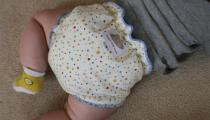
Cloth nappies and sanitary towels involve a use of resources during the years we use them. We should save energy and water when washing them.

How we can do it
  • We should throw the poo down the toilet and not in the rubbish bin. For younger children, whose poo is more liquid, we can use a liner (ask your supplier). Any stuck to the nappy can be rinsed off with some water and, if necessary, a brush (an old toothbrush, for example).
  • To keep dirty nappies until we wash them, some people soak them in cold water and vinegar (or borax or bicarbonate) and some keep them dry in a covered bucket...
  • Use a washing machine with good energy efficiency, which regulates the water flow depending on the load.
  • We should mix nappies with other clothes. If they have velcro, do it up so as not to damage the other clothes.
  • Softening the water will leave the material cleaner and softer and preserve the washing machine better.
  • We should try washing at different temperatures and choose the coldest possible one. As well as saving energy, the material will last longer.
  • We should not put more soap than necessary in the washing machine. We should use green or phosphate-free soaps. We should not use fabric softeners: they damage the material and reduce its absorption capacity. They can be replaced with borax or white vinegar. We should not use bleach.
  • We should dry the nappies by hanging them out (the dryer damages the fabric).
  • To remove stains, put wet soap on them and leave them in the sun, keeping the nappy damp for one or two days.
  • We should look at the instructions given to us by all nappy manufacturers.

Anyone who has used superabsorbent disposable nappies may not have changed a nappy for as long as eight hours. With cloth ones, we have to remember that they do not absorb so much. We should change nappies whenever necessary.

How we can do it
  • The average for changes is 10 a day in the first few weeks, 8 until 12-18 months and 6 until the end. Some children pee more than others; everyone has to find out what works for them.
  • At night, which is when we want the nappy to last longer, we can add sanitary towels or use specially absorbent nappies (some manufacturers have night-time models).
  • Children usually pee a while after breastfeeding or drinking liquids. We should wait until they have done it to change them.
  • If the child pees while we are out, we can put a clean sanitary towel between the nappy and the skin and change the whole nappy when we get home.

  • Add new comment
04/01/2012 - 13:08
Remember this
We should choose items that can be used many times (cloth nappies and sanitary towels, menstrual cups...). The consumption of natural resources and the volume of waste deriving from using disposable items is not normal.

If we use disposable items, either occasionally or always, we should look for the ones that seek to reduce environmental impact.


Information sources
Companies and organisations from the sector:: Bambino Mio, Bumgenius, Bummies, Bumwear, EDANA (European organisation of manufacturers of non-woven fabric products), Imse Vimse, Kushies, National Association of Nappy Services, Popolini, Weenees, Wonderoos;

Publications: Alimarket, Mothering, The Ecologist, The Ethical Consumer;

Organisations: Best Foot Forward,  Ecomaternal, Environmental Justice Foundation, Go Real, The National Association of Diaper Services, Greenpeace, Women Environmental Network.


Pàgina optimitzada per a Mozilla Firefox i Internet Explorer 7 | Resolució òptima 1024 x 726
Amb Internet Explorer 6 i anteriors es visualitza malament. Aquí podeu descarregar el Firefox

design by ZumZum | Pàgines web ONG