Home
  • List of products
  • Conscious and transforming consumption
  • Source of the information given
  • About us
  • How does the web work?

  • CA
  • ES
  • FR
  • EN

NAPPIES AND SANITARY TOWELS

  • TO BEGIN
  • WHAT FOR
  • ENVIRONMENTAL IMPACT
  • HEALTH
  • AT HOME

The most common raw materials in items for incontinence are cotton (in cloth nappies and sanitary towels), cellulose (disposable nappies and sanitary towels), rayon (tampons) and SAP (superabsorbent polymer, in disposable nappies and sanitary towels). Obtaining all these natural resources has a price for the planet. We should look for the options that seek to minimise this price.

How we can do it
  • Items that can last us for years must have a smaller environmental impact than those we can only use once. We need to maintain them properly, however (see the At home tab).
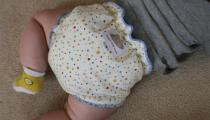
  • There are cloth nappies and sanitary towels of organic cotton (not genetically modified and grown without pesticides) and raw cotton, made without refining or bleaching; raw cotton cannot be dyed. Some brands that have organic cotton nappies: Babykicks, Bumgenius, Popolini, Bummies.
  • Menstrual cups have an insignificant environmental and social impact. Sponges are beginning to be cultivated to meet a world demand that exceeds supply. We would therefore recommend the cup ahead of sponges for prevention purposes.
  • There are disposable nappies with features that make them more "green": without SAP (superabsorbent), with unbleached cellulose, with the outer layer derived from maize starch, with the absorbent core separate from the plastic pants (which can be reused)... Here is a description of some brands of nappy which have some of these features (Tushies, Seventh Generation, etc.). We will also come across complaints about nappies that promote themselves with deceptive claims, for example there are some that say they are compostable even though they contain SAP, despite doubts over whether it is compostable.
  • There are also organically grown cotton tampons Natracare.

Disposable nappies and sanitary towels turn into a huge volume of waste. This waste cannot be recycled because it is made up of different materials. Although research is going on into how to separate the plastic parts from the organic ones, at the moment only very expensive and not very effective methods exist. Its final destination is, therefore, landfill or an incinerator and that has some disadvantages. Of all the waste that cannot be recycled, nappies and sanitary towels form the largest fraction, which is why special attention is being paid to them in waste management. This enormous waste generation is one of the biggest factors driving us to use and promote the use of items that can be used more than once.

How we can do it
  • We should not decide we cannot use reusable nappies or sanitary towels until we have tried them.
  • We should pressurise the local council to establish rules to promote reusable items and disincentivise disposable ones; here we can see some real experiences that might inspire us.
  • We should promote the use of cloth nappies in maternity units, nurseries, geriatric units, shops... 

In any case, if we do use disposable items we can also pick up some habits to reduce the waste problem.

How we can do it
  • If when we go to change the nappy or sanitary towel it is still reasonably clean, let’s reuse it.
  • We should throw the poo not stuck to the nappy down the toilet and not in the rubbish bin.
  • We should throw tampons in the rubbish bin and not in the toilet so as not to block the drains or sewers and not hamper the action of the treatment plants. We should throw plastic applicators away with packaging and cardboard ones with paper.

When we no longer need cloth nappies or sanitary towels, we should also minimise the waste problem.

How we can do it
  • If they are in good condition, we should pass them on to someone we know or to second hand shops.
  • If they are damaged, we should separate the synthetic parts and throw them away in the packaging container. The rest can be treated like any waste cloth (use it as dish cloths, give it to recoverers... or as a last resort, thrown it in the refuse container).

  • Add new comment
04/01/2012 - 13:08
Remember this
We should choose items that can be used many times (cloth nappies and sanitary towels, menstrual cups...). The consumption of natural resources and the volume of waste deriving from using disposable items is not normal.

If we use disposable items, either occasionally or always, we should look for the ones that seek to reduce environmental impact.


Information sources
Companies and organisations from the sector:: Bambino Mio, Bumgenius, Bummies, Bumwear, EDANA (European organisation of manufacturers of non-woven fabric products), Imse Vimse, Kushies, National Association of Nappy Services, Popolini, Weenees, Wonderoos;

Publications: Alimarket, Mothering, The Ecologist, The Ethical Consumer;

Organisations: Best Foot Forward,  Ecomaternal, Environmental Justice Foundation, Go Real, The National Association of Diaper Services, Greenpeace, Women Environmental Network.


Pàgina optimitzada per a Mozilla Firefox i Internet Explorer 7 | Resolució òptima 1024 x 726
Amb Internet Explorer 6 i anteriors es visualitza malament. Aquí podeu descarregar el Firefox

design by ZumZum | Pàgines web ONG